
”
Mi’kmaw Cultural Foundation
Stephenville, Newfoundland:
Building more than a Strategic Plan
Project Snapshot:
Client: Mi’kmaw Cultural Foundation
Location: Stephenville, Western Newfoundland and Labrador
Sector: Nonprofit / Indigenous-led Community Organization
Services: Strategic Planning, Implementation Planning; Facilitation & Stakeholder Engagement, Social Enterprise Strategy Support
Timeline: 2025-2026
Impact at a glance:
Developed a strategic plan designed for practical implementation, not shelf storage
Created three tailored planning documents, including a detailed implementation roadmap
Strengthened long-term organizational clarity around growth, sustainability, and social enterprise opportunities
The Challenge
At Purposeful Group, we believe the best strategic planning processes are rooted in relationships, lived understanding, and practical implementation, not just polished documents.
For organizations working in rural communities, nonprofit ecosystems, and social impact spaces, context matters deeply. Understanding the realities of funding pressures, regional dynamics, community relationships, and long-term sustainability can make the difference between a strategic plan that gathers dust and one that genuinely shapes the future of an organization.
That was the experience Jeffrey Young, CEO of the Mi’kmaw Cultural Foundation, was hoping to find when the organization began its search for a consulting team to support their strategic planning process.
After receiving more than 30 proposals through an RFP process, Jeffrey approached the decision carefully.
“We selected the correct firm,” he reflected. “Because in the past, we haven’t.”
The Foundation had previously gone through a strategic planning process that left a lasting impression — and not in a good way.
“The first time we did a strategic plan, it was painful,” Jeffrey said. “Every meeting was pulling every ounce of energy out of me. I remember thinking, ‘I am not doing this again.’”
This time needed to feel different.
The turning point came when a core member Jen shared that she wanted to work at the same shops where she already felt at home as a customer. That simple statement reframed the entire project and opened the door to a community-wide vision of inclusion.
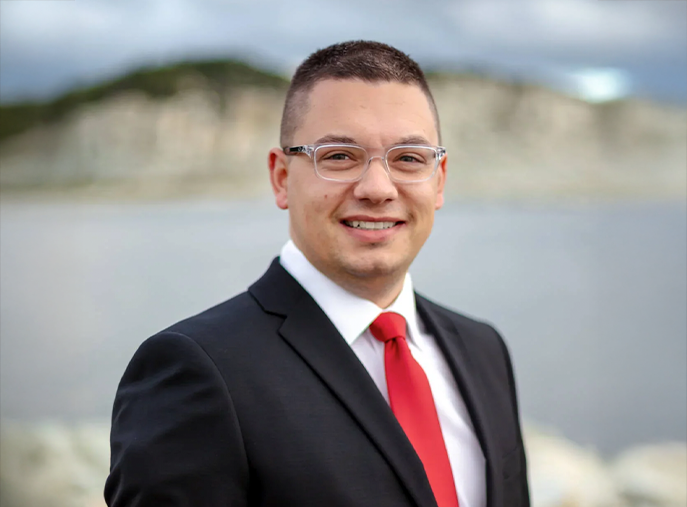
Client Reflection“They understood the province, our region, and our reality. They knew the realities of rural nonprofit work in Newfoundland and Labrador, and they created something we can actually use — not a document that gets thrown on a shelf. It felt collaborative, grounded, and like working with people who genuinely understand the communities they’re supporting.”
~ Jeffrey Young, CEO Mi’kmaw Cultural Foundation
More Case Studies
A Purposeful Group Case Study with Jeffrey Young, CEO Mi’kmaw Cultural Foundation
Our Approach
For Jeffrey, one of the biggest distinctions in working with Purposeful Group was the team’s understanding of Newfoundland and Labrador communities and nonprofit realities.
“They understood the province, our region, and our reality,” he shared. “Even St. John’s and the west coast are totally different realities. They took the time to realize that.”
The Purposeful Group team on this project — including Chelsey MacNeil, Trevor Blackler, and Mari-Lynn Taylor — brought experience working alongside organizations across Atlantic Canada, including rural and Indigenous communities in places like Labrador and Bonavista.
For Jeffrey, that local and relational understanding immediately stood out.
“They’d worked with groups in Labrador and Indigenous organizations, and they really knew how to understand where we were coming from.”
Rather than applying a generic consulting framework, the process felt collaborative, conversational, and grounded in the lived experiences of nonprofit work.
“It’s great working with like-minded people in the community — people who are actually working with these organizations and understand them,” Jeffrey shared.
That relationship-centered approach shaped every stage of the project.
“Sometimes in a strategic plan we like to dream,” Jeffrey explained. “And they allowed space for that. But they were also realistic about it. They know what’s possible and what’s not.”
One area that stood out especially was the team’s understanding of social enterprise and sustainable organizational growth.
“I absolutely loved their knowledge around social enterprise and encouraging that in the strategic plan,” Jeffrey said. “They understand that growth for organizations like ours can’t always depend on government funding.”
Our Way of Working
That long-term connection is something Purposeful Group continues to intentionally build into its work, supporting organizations not just through planning processes, but through implementation, accountability, relationship-building, and sustainable growth over time.
As organizations across Atlantic Canada navigate increasingly complex social, economic, and funding realities, the need for grounded, community-informed support continues to grow.
For organizations looking for strategic planning that is practical, relational, and rooted in the realities of community impact work, stories like this continue to reinforce the importance of working alongside people who truly understand the context you operate within.
If this approach resonates with your organization, we’re always happy to connect, share more about our process, and continue conversations about what meaningful, community-rooted support can look like.
Impact
For nonprofit organizations navigating uncertain funding landscapes, implementation matters just as much as visioning. Instead of delivering a single final report, Purposeful Group developed three separate working documents for the Foundation:
-a public-facing strategic plan,
-an internal working version,
-and a detailed implementation plan.
That final piece became one of the most valuable parts of the process.
“Most times you just get one strategic plan and that’s it,” Jeffrey explained. “But this actually included an implementation plan telling us what to do to achieve this.”
The layered structure created flexibility for both internal operations and public engagement, while also making the work feel practical and actionable.
“It’s a document that you can actually use, it’s not going to be thrown on a shelf into a binder and never looked at again.”
In fact, the Foundation is already exploring ways to continue sharing the work publicly and engaging their community with the ideas inside the plan. “There’s tons in it that we can work with,” Jeffrey shared. “We’re hoping to build a full campaign around it.”
Throughout the project, the process remained adaptive and collaborative, even as organizational realities shifted. Board transitions, busy schedules, and evolving participation created challenges along the way, but the flexibility of the process helped the work continue moving forward.
For Jeffrey, the process reinforced the importance of choosing consultants who truly understand nonprofit organizations and the communities they serve.
“I would always recommend, if you’re getting a strategic plan or business plan for a nonprofit, go to a consultant that’s familiar with social enterprise, nonprofits, and charity work,” he said. “Don’t go to someone that’s only dealing with corporate businesses. It’s not the same reality.”
The impact of the work extended beyond the strategic plan itself. What emerged was an ongoing relationship grounded in shared values, regional understanding, and long-term community connection.
“You kind of become friends with them,” Jeffrey said. “Especially in Newfoundland. You end up seeing each other at events, partnering on things, staying connected. It becomes a long-term connection after that.”